Introduction
Celebrations are a universal human experience, transcending geographic, cultural, and religious boundaries. They serve as a way for families and communities to come together to honor life's milestones, whether joyous or sorrowful. But what does it mean to celebrate life? How do different cultures express their unique beliefs and values through rituals and traditions?
In "Rituals and Traditions: How Cultures Celebrate Lives Differently," we delve into the rich tapestry of global customs that commemorate significant life events. From birth to weddings, graduations, and even funerals, every celebration tells a story—a story woven from memories, music, food, and community. So grab your favorite beverage, sit back, and let’s explore how various cultures honor life through their distinctive celebrations.
Rituals and Traditions: How Cultures Celebrate Lives Differently
Celebration is a fundamental aspect of human nature. It allows us to connect with others and share our experiences. The rituals associated with these celebrations can vary widely depending on cultural backgrounds. For example, while some may choose elaborate ceremonies marked by grandiose themes in beautiful venues adorned with flowers and music, others might prefer intimate gatherings at home surrounded by close family and friends.
When we think about these celebrations, we often reflect on the tone they set—joyous for weddings or somber for funerals. Each event has its own personality shaped by the people involved—the guests who attend, the food served, the stories shared—and it brings forth a celebration of life unique blend of emotions that contribute to lasting memories.
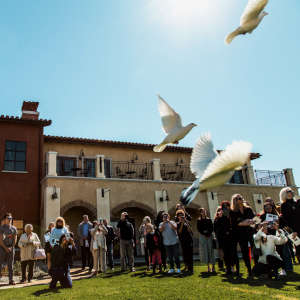
Cultural Significance of Celebrations
Why do we celebrate? At its core, celebration serves multiple purposes:
- Community Building: Events create bonds among family members and friends. Cultural Identity: Rituals reflect cultural heritage and historical significance. Emotional Expression: They provide an avenue for expressing joy or grief.
Understanding why we celebrate is essential in appreciating the diversity found in rituals across cultures.
Birth Celebrations Around the World
1. Naming Ceremonies: A Cultural Introduction
In many cultures, naming ceremonies hold immense importance. They not only welcome a new life into the world but also signify a family's hopes for the child's future.
African Naming Ceremonies
In various African traditions, naming ceremonies can last several days. Guests gather at the family home to share stories about their lineage while feasting on traditional dishes like jollof rice or injera.
Jewish Brit Milah
For Jewish families, the Brit Milah is an eight-day rite where a male child is circumcised as a sign of covenant with God. This ceremony often includes blessings followed by celebratory meals with family.
2. First Birthdays: A Milestone Celebration
The first birthday is often celebrated with special significance across cultures:
- Korean Doljanchi: In Korea, this tradition involves placing various objects before a one-year-old child to predict their future. Mexican Quinceañera: Celebrating girls turning 15 years old symbolizes their transition into womanhood.
Weddings: Uniting Lives Through Tradition
3. Weddings Across Cultures
Weddings are perhaps one of life's most significant celebrations—bringing families together while marking two individuals’ commitment to each other.
Hindu Weddings
Hindu weddings are vibrant affairs filled with rituals such as Mehndi (henna application) and Saptapadi (seven steps), symbolizing mutual respect between partners.
Western Weddings
In Western culture, weddings often include exchange of vows in front of friends and family followed by receptions featuring food and dancing—a chance for guests to share stories about the couple.
4. Unique Wedding Traditions Around the Globe
Every culture has its unique take on wedding traditions:
- In Italy, it's customary for the groom to wear something old (symbolizing his past), something new (his future), something borrowed (from someone happily married), and something blue (representing fidelity). In some African cultures like Zulu weddings, cattle may be presented as part of the bride price negotiations—a way to honor familial ties.
Graduation Celebrations: Marking Academic Achievements
5. Recognition Through Rituals
Graduations symbolize personal growth achieved through hard work over time—earning recognition from society:
American Graduations
Graduates don caps and gowns while receiving diplomas amid cheers from family members—a moment filled with pride!
Japanese Shichi-Go-San
In Japan, children aged three, five, or seven participate in Shichi-Go-San ceremonies where they dress in traditional attire to celebrate their growth milestones.
Funerals: Honoring Those Who Passed Away
6. Cultural Perspectives on Death
While death brings sorrowful feelings; it also prompts reflection on cherished memories shared with loved ones:
Chinese Funerals
In Chinese culture; funerals can last up to three days where mourners pay respects through rituals involving incense burning while sharing stories about the deceased's life journey.
Mexican Día de los Muertos
Mexico’s celebration of life tribute Día de los Muertos celebrates deceased loved ones' lives rather than mourning them—families create altars decorated with photos alongside traditional foods like pan de muerto offering tributes filled with love!
Seasonal Celebrations: Festivals That Unite Communities
7. Harvest Festivals Across Cultures
Communities gather during harvest seasons celebrating bountiful crops harvested throughout challenging times:
Thanksgiving in America
Thanksgiving represents gratitude; families come together sharing meals showcasing turkey while recounting stories recalling past gatherings emphasizing love & unity among relatives!
Diwali in India
“Festival of Lights” symbolizes victory over darkness; people decorate homes brightly celebrating joy through sweets exchanged amongst neighbors along firework displays lighting up night skies!
Celebration Elements That Shape Experiences
8. Food: A Central Element in Celebrations
Food plays an integral role within any celebration—whether joyous or somber! What would gatherings be without delicious dishes?
- Here’s how different countries incorporate culinary delights into festivities:
| Country | Celebration | Signature Dish | |---------|-------------|----------------| | India | Diwali | Sweets like Gulab Jamun | | Italy | Christmas | Feast of Seven Fishes | | Brazil | Carnival | Feijoada |
Each dish tells its own story reflecting cultural flavors that bind communities together over shared meals—food becomes more than sustenance; it becomes memory!
Rituals That Enhance Connections During Events
9. Music's Role in Celebrating Life Events
What would celebrations be without music? It enhances emotional experiences setting tones ranging from jubilant beats during weddings incorporating contemporary songs enjoyed by guests dancing away stress; melancholic melodies played during funerals honoring those departed elevating spirits uplifting hearts toward remembrance through melody!
Creating Memorable Experiences Through Themes & Decorations
10. Thematic Planning for Special Events
How do you choose themes that resonate deeply with attendees? Selecting themes draws connections between individual personalities uniting everyone around shared interests transforming venues into vibrant landscapes reflecting passions!
For instance:
- Vintage theme invoking nostalgia transports guests back through time reminiscing fondly upon childhood memories! Tropical theme evokes leisurely vibes inviting relaxation creating environments suited perfectly for summer gatherings!
Conclusion: The Essence Of Rituals And Traditions In Life Celebrations
Celebrating life is an art form—it embodies our essence as humans seeking connections through shared experiences brought alive via rich tapestry woven intricately by diverse traditions across global landscapes! Whether joyous moments marking births & marriages or solemn occasions remembering lives well-lived; these celebrations highlight our innate desire connecting people toward understanding one another better fostering empathy among communities! So next time you partake in any event remember—it’s more than just another gathering; it’s an opportunity cherishing friendships forging lasting legacies celebrating what truly matters most—the beautiful journey called LIFE!
FAQs
Why are celebrations important?- Celebrations foster community bonding while allowing individuals express emotions surrounding key life events shaping collective memories!
- Food reflects cultural heritage & traditions enhancing overall experience through flavors evoking nostalgia creating connections among participants sharing meals together!!
- Music enhances emotional ambiance elevating spirits encouraging participation establishing mood fitting corresponding occasion!!
- Yes indeed! Many cultures emphasize themes around community engagement honoring life's milestones fostering unity despite differences!!
- Focus on selecting personalized themes reflecting your values alongside engaging activities ensuring attendees actively participate forging deeper connections!!
- Consider elements like venue selection guest lists catering options entertainment arrangements ensuring seamless flow throughout entire gathering!!
The article captures the essence of how "Rituals and Traditions: How Cultures Celebrate Lives Differently" can shape our understanding of community engagement through meaningful events!