Careful lighting design can make a room feel taller, cleaner, and more welcoming. Done inadequately, it creates glare, scallops on the walls, and a ceiling loaded with dots that battle your furnishings and art. After twenty years as a licensed electrician in Orange County, I have actually discovered that the best recessed lighting tasks begin on paper, stroll your house with function, and after that move to careful, dust-managed installation. The difference shows every night when you hit the dimmer.
What recessed lighting succeeds, and where it struggles
Recessed lighting stands out at basic illumination and quiet task lighting. It conceals the fixture, pulls the ceiling visually up, and offers your eye time to arrive on the things you appreciate, not the hardware. In a kitchen with 9-foot ceilings, 4-inch, high-CRI LED downlights aimed to avoid shadow lines over the counters can make prep work feel precise and comfy. In a long hallway, a rhythm of equally spaced cans creates a gallery result. In living rooms, pairing a grid of warm downlights with a couple of accent trims toward artwork can deliver depth without clutter.
It is not a cure-all. If a space relies just on downlights, faces can look shadowed, and corners can feel dead. Recessed lighting needs to deal with pendants, flooring lights, wall sconces, and daytime. We typically design 3 layers in Orange County homes: ambient light from downlights, job light from pendants or under-cabinet LEDs, and accent light that lifts walls and art. That mix minimizes eye pressure and lets you set atmosphere.
How numerous fixtures, how far apart, and what size
There is no single formula, but great starting rules assist. In rooms with 8 to 10-foot ceilings, 4-inch LED fixtures are the go-to for a contemporary appearance. They supply tight beam control and sufficient output with today's effective modules. In taller spaces, 5 or 6-inch trims can carry more light without crowding.

Spacing follows the work, not a rigid grid. For general lighting, the range between fixtures frequently lands near the ceiling height in feet, determined in feet. An 8-foot ceiling suggests spacing of 6 to 8 feet center to center. We then pull the first row off the walls by about 2 to 3 feet, so you prevent brilliant scallops and keep walls evenly cleaned. Over cooking area counters, we bias fixture centers 12 to 16 inches out of the upper cabinet face, so your body does not cast a shadow while slicing. For islands, we think about whether pendants will live there. If so, the downlights need to fill gaps, not compete.
In oddly shaped rooms or with beams, ceiling joists, or heating and cooling obstructing ideal placement, ultra-thin wafer lights assist. They require just a small hole and a slim junction box, so we can weave a design that appreciates structure. For older homes in Floral Park or Balboa Peninsula cottages, joist mapping with a stud finder and assessment video camera settles before the first hole.
Color temperature, CRI, and dimming that feels right
Color temperature drives mood. A lot of Orange County home look best at 2700K to 3000K, which simulates warm incandescent light without going orange. Cooking areas can stretch to 3000K to 3500K if you prefer a crisper feel, especially with white cabinets. Outdoor soffit lighting tends to work well at 3000K to reduce insect attraction and cruelty. In art-heavy rooms, we combine warm CCT with a high color rendering index. California's Title 24 JA8 guidelines require 90+ CRI for property high efficacy lights and luminaires, and that basic tracks our lived experience: paint, wood, and skin tones look visibly better under high-CRI LEDs.
Dimming separates a great system from a great one. Not all LED drivers play nicely with all dimmers. Triac dimmers are common for retrofit lamps and wafer lights, however numerous premium components choose ELV dimming for smoother low-end efficiency. When customers ask why their lights stop dimming at 30 percent, the culprit is typically a mismatch in between chauffeur and dimmer. We define compatible pairings, verify they are JA8 certified, and bench test a couple of trims before devoting house-wide. For media rooms, we set different zones for cans, wall washers, and sconces so you can settle into a 10 to 20 percent scene without flicker or hum.
Title 24 compliance, IC/AT scores, and air sealing
California appreciates energy and air quality, and Orange County structure departments examine. Recessed lights in insulated ceilings require IC (insulation contact) and AT (air-tight) scores, and for new or refurbished areas, the components need to meet high effectiveness criteria, consisting of JA8 listing. We set up sealed housings or committed LED modules that avoid attic air from entering the home, which also improves heating and cooling performance and lowers dust migration. Gasketed trims assist maintain the air barrier.
We pay attention to controls. Title 24 requires high effectiveness lighting throughout, and restrooms need vacancy or occupancy sensors or code-compliant controls as part of the lighting strategy. We utilize dimmers and gadgets noted for LED loads, with neutral wires when needed. In bed rooms, living spaces, and other habitable areas, mix AFCI defense uses. If we are adding brand-new circuits or extending runs, we bring those areas up to current code, including AFCI/GFCI where appropriate.
New building vs. Retrofit: different courses to the same glow
When we wire throughout a remodel or addition, we can lay out a best grid, pull new crowning achievement, and swap or include an electrical panel upgrade in Orange County if the load computation needs it. We drill clean holes, set IC/AT housings, and pre-wire with slack for intending. When the drywall goes up, trims snap in, and the appearance is seamless.
Retrofit tasks require more investigator work. We test for existing wiring conditions, scan for joists and ducts, and assess plaster thickness in older homes. Ultra-thin micro wafers have actually changed the video game. These lights tuck into a 2-inch area and run cool, so we can frequently give a 1960s cattle ranch in Objective Viejo a modern, even lighting strategy without invasive demo. Where knob-and-tube or breakable fabric electrical wiring appears, we shift gears. It might be the ideal minute to set up whole home rewiring in Orange County, at least in the impacted rooms. Safety precedes, and mixing old and new circuitry invites headaches later.
A quick preparation checklist before you purchase anything
- What are the room's jobs and state of minds, by zone, early morning through evening? Ceiling height, insulation above, and joist instructions mapped at key spots. Fixture type and size chosen, with CRI 90+, CCT target, and dimmer compatibility confirmed. Code and allow path set, including Title 24 and AFCI, plus HOA requirements if applicable. Circuit capacity checked, panel area confirmed, and any panel replacement in Orange County considered if needed.
Real-world examples from regional homes and businesses
A Newport Coast cooking area with a 10-foot ceiling: The house owners desired the counters brilliant without the island ending up being an airport runway. We installed 4-inch downlights with a 40-degree beam over the border counters, trim centers 14 inches off the cabinet faces. The island received two low-glare downlights just to fill in between pendants. Everything runs 3000K at CRI 95 on ELV dimmers. The space feels lively at 100 percent for cooking and shifts to warm, low, and intimate for late-night tea.
A Laguna Niguel media room with a tray ceiling: We used a narrow-beam 4-inch downlight to accent the coffee table and a soft wall-washer trim on the art wall. A separate dimmer controls the wall washers. With the main cans at 15 percent and the washers at 10 percent, you can enjoy a film without screen glare or cavern darkness.
A Costa Mesa dental professional's reception: Commercial ceilings and greater ambient needs change the formula. We combined 6-inch business downlights on 0-10V dimming with direct wall washing to keep the area calm and constant. The commercial electrician Orange County permitting process needed an in-depth lighting control story and daylight zone compliance. We provided a smooth dimming curve to 1 percent for patient comfort.
A San Clemente bungalow with initial plaster: The homeowner feared wrecking ceilings. We mapped joists with a high-end stud finder, then installed low-profile wafer lights without disrupting the crown molding. We connected the new lighting circuit into a subpanel after verifying capacity and carried out an electrical assessment as part of the permit closeout. The result kept the classic character with crisp, modern-day light.
Controlling glare and intending light, not simply spilling it
Glare is the opponent of comfort. Baffled or fallen back trims conceal the LED module and minimize direct view. In living spaces, we lean toward deep regression so you see the result, not the source. In kitchens and baths, we balance regression with practical light levels. Wall washing trims have angled optics that shower a wall evenly. They flatten texture slightly, which is perfect for art or smooth painted finishes. In areas with highlighted stone or textured plaster, we often select a slightly narrower beam to keep the surface's character.
Beam spread matters more than many people think. A narrow beam looks brilliant but spotty, while a really wide beam can develop overlapping glare. For 8 to 9-foot ceilings, a 40 to 60-degree beam works well for basic lighting. Over job zones like craft tables, narrow beams can be an asset. When we survey a space, we bring demo trims and shine them on-site, then adjust the spec. Twenty minutes of testing conserves years of coping with wrong light.
Wiring, filling, and panels: what keeps the system safe
Even LED lighting accumulates. A typical 4-inch JA8 downlight takes in 8 to 12 watts. 10 to sixteen fixtures on a single 15-amp circuit is common, well within code, but we look at the entire space's loads. If you are also adding an EV charger installation in Orange County or a kitchen range upgrade, your panel's spare capacity matters. We carry out load estimations, and where older 100-amp services are currently loaded, a panel replacement in Orange County might be the clever relocation. A modern 200-amp panel gives headroom for lighting, a future electric automobile battery charger in Orange County, and smart home wiring.
AFCI security is required for many habitable space lighting circuits. Where restrooms and laundry areas are involved, GFCI requirements may intersect with lighting controls near sinks. We plan change locations and circuitry routes to avoid nuisance journeys and meet the letter of the code.
Working in insulated ceilings and coastal environments
Attic insulation compresses around hot components unless you choose the right real estates. We define IC-rated, air-tight cans or utilize wafer lights authorized for contact with insulation. This protects the LED lifespan and preserves R-value. In coastal cities from Seal Beach to Dana Point, salted air and humidity deal with every metal part. We utilize corrosion-resistant trims and sealed gaskets for exterior eaves. If the home sits within a couple of blocks of the ocean, outdoor lighting Orange County tasks take advantage of marine-grade components and stainless fasteners.
For bathrooms, choose IC/AT fixtures with wet or wet area scores. A shower needs a wet-rated trim, typically with a diffused lens. We test for dimmer habits at low levels, as water and tile enhance flicker perception.
Smart controls, scenes, and future-proofing
Smart home circuitry and controls raise recessed lighting from reliable to wonderful. Wireless dimmers and keypads minimize wall mess and let you develop scenes like Supper, Clean-up, or Movie with one button. If you desire voice control, we select gadgets proven to hold dimming levels without delay. Reliability outranks novelty, specifically for primary lighting. We typically mix hardwired smart dimmers with a central bridge so you keep regional control if the internet drops.
For restorations, we pull neutral wires to all switch boxes to widen your control choices. We label junction boxes, file loads, and create an as-built strategy so any regional electrical expert Orange County can service the system years later. Excellent documentation turns a same day electrical expert Orange County see into a fast, affordable repair instead of an exploratory mission.
Retrofits without drywall dust everywhere
Clients frequently dread holes and dust. We established containments, lay runners, and use vacuums at the cut. On plaster, we score before we cut to avoid chips. Old lath and crumbly secrets need a light touch and sharp hole saws. We fish wires with very little gain access to points and patch any inevitable openings cleanly, primed for your painter. Excellent sequencing assists. We rough in circuitry early in the day, check routing over lunch, then cut lights and set trims in the afternoon. Lots of single-room jobs begin at 8 a.m. And wrap before dinner.
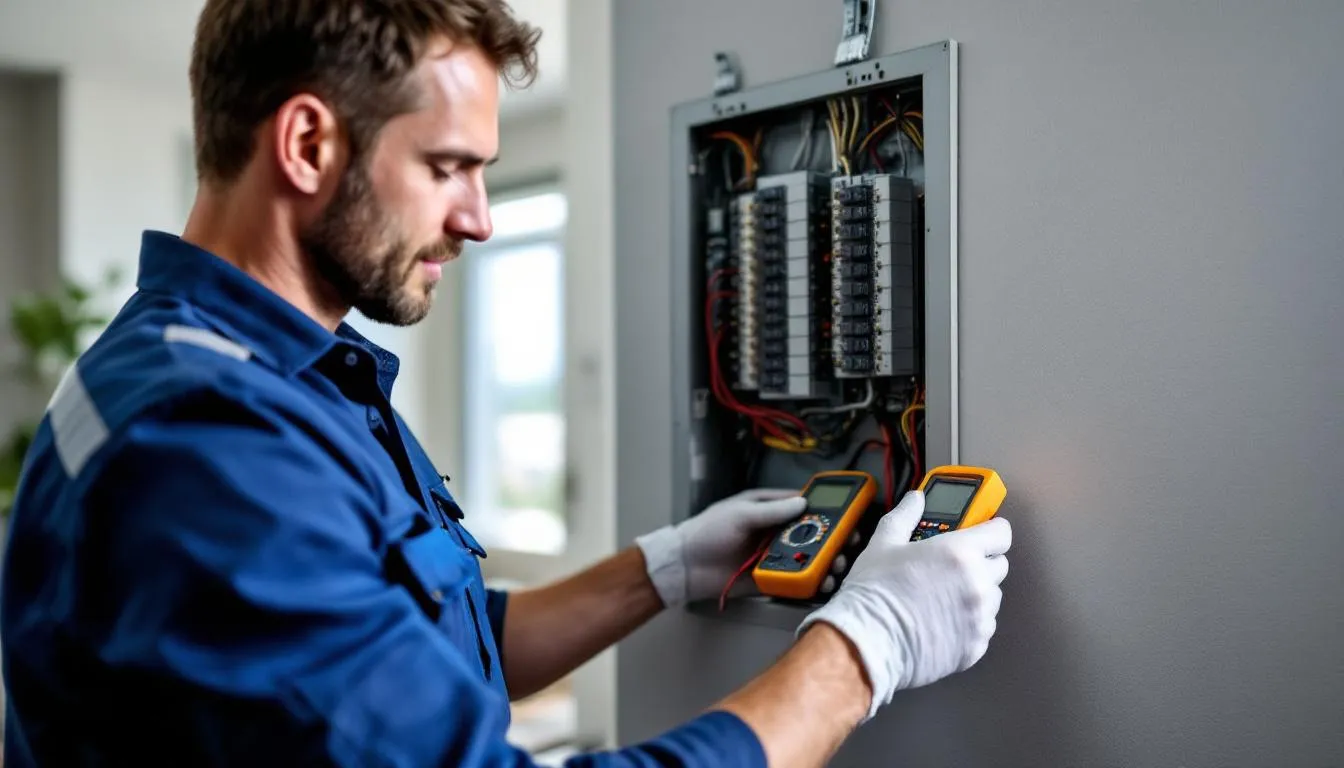
What setup day looks like, action by step
- Walk the area with the customer, confirm layout marks, change locations, and dimmer type. Protect floorings and furnishings, map joists and hazards once again, and pre-drill pilot holes at crucial centers. Cut openings, pull cable, set real estates or junction boxes, and comprise connections to code. Mount controls, power up circuits, test, and adjust objective or trims before closing. Clean up, label breakers, review dimmer operation and scenes, and schedule examination if needed.
Avoiding typical mistakes
The worst designs forget the border. Lights crowd the center of a space while walls fall dark. We always light the space's edges and then fill the middle. Another error is putting lights straight over seating where you can see into the trims. It is much better to flank seating so the beam falls forward. In the kitchen, lights too close to upper cabinets create intense cabinet faces and watched counters. Pull them out one hand-span and shadows melt away.
Color mismatch is simple to prevent with a little discipline. Blending 2700K in one zone and 4000K a few feet away looks off, even to an untrained eye. We choose a consistent CCT per space, label boxes on arrival, and turn down any components that visually drift. If you should mix color temperature levels, do it intentionally. For example, 3000K cans with 2700K pendants can produce a cozy island while keeping the space lively.
Cheap motorists bring flicker. Many spending plan trims look fine at full brightness however shimmer at 20 percent. If you check out or enjoy TV under those lights, your eyes will feel it. We define JA8-listed components with flicker mitigation and test low-end dimming on the real dimmer design. Little actions like this different professional work from guesswork.
Permits, examinations, and HOA coordination
Most cities in Orange County require authorizations for brand-new lighting circuits or significant fixture additions. The process is straightforward with a clean scope, a Title 24 lighting schedule, and clear load calcs. We manage submittals, schedule assessments, and walk the area with the inspector. In HOA communities from Irvine to Aliso Viejo, we supply in-depth strategies revealing that we will not permeate fire-rated assemblies or compromise shared attics. If any common-area work is needed, we coordinate with the association.
Where recessed lighting fits with the rest of your electrical plan
Lighting is part of a home's larger electrical picture. If your panel is near capability, or if you are adding a generator installation Orange County plan for failures, we create circuits so vital rooms keep light throughout a power occasion. If you are upgrading for an EV, we think about whether nighttime charging plus lights push loads beyond comfort. For complex projects, an Orange County electrical contractor who also deals with electrical troubleshooting, Orange County electrical repair, and emergency electrician Orange County calls can keep the whole system healthy long after the last trim is set.
We likewise watch for simple add-ons that complete the job. Outlet installation Orange County alongside lighting upgrades can resolve cable mess where flooring lamps or vacuums live. Ceiling fan installation Orange County can share a control strategy with lights to stabilize convenience and energy usage. Low voltage circuitry Orange County for information or speakers can piggyback on the very same access points we produce for lights, saving time and patching.
Costs, timelines, and what affects both
A single room with 6 to eight recessed components, new dimmer, and tidy attic gain access to can complete in a day with very little patching. Include switches, complicated wiring routes, or plaster ceilings, which timeline stretches. Whole-home lighting strategies, particularly coupled with smart controls and numerous zones, normally run over a number of days with staged assessments. Expenses differ with component quality, control option, and access difficulties. JA8-compliant, high-CRI, low-glare trims cost more than box-store fundamentals however pay back every night in comfort and reliability.
Panel capability, license costs, and any needed electrical panel upgrade Orange County can nudge a project budget plan. We present choices in tiers, explain the trade-offs clearly, and reveal samples so you feel great before we cut. A budget friendly electrical contractor Orange County does not imply the least expensive part in the cart. It suggests worth, transparency, and getting the job done once.
Safety and service after the lights turn on
We label circuits, leave a dimmer and component compatibility list behind, and keep in mind the ceiling material and insulation type utilized near the lights. If a trim stops working, you should not hunt for answers. For customers who desire additional assurance, we provide 24 hr electrician Orange County assistance for urgent blackouts and exact same day electrician Orange County accessibility for everyday fixes. Even the very best systems often need a push after a power event or a remodel in a surrounding room.
For property owners browsing "electrician near me Orange County," choose experience, licensing, and evaluates that talk about dust control, dimming quality, and tidy patch work. The best electrical expert Orange County teams will ask as many questions as they respond to. A leading rated electrical expert Orange County crew does not vanish after last payment. They answer the phone the next time you wish to add a light in the kitchen or wire a nursery.
When recessed lighting is not the answer
If the ceiling is a finished tongue-and-groove with exposed beams, or a delicate historical plaster, cutting holes may not be sensible. Surface-mount LED disks with low profiles, mounted lights with warm optics, or wall sconces can bring the load. In spaces with heavy art, wall cleaning beats downlighting. For rentals where patching after tenants is an issue, a thoughtful mix of flooring and table lights on https://finnpkwj016.swiftnestly.com/posts/whole-home-rewiring-in-orange-county-safe-code-compliant-upgrades changed outlets may be better. A residential electrician Orange County can walk these compromises with you.
The value of a thoughtful style and a cautious install
Good recessed lighting vanishes into the life you live. You must not consider beam angles while you read to a kid, chop cilantro, or return from a late browse. The space just feels right. That result takes preparation, code understanding, product judgment, and a consistent hand on installation day.
If you are prepared to check out recessed lighting Orange County upgrades, discover a licensed electrician Orange County who will map your ceilings, test trims on-site, and show you exactly how it will look before the first hole. Ask about Title 24, IC/AT, dimmer compatibility, and what occurs if a driver fails in 5 years. Choose a local electrician Orange County who can also support future requirements, from clever home circuitry to that electric lorry charger down the road.
The ideal partner brings brilliant, even light where you require it, warm nights when you want them, and a ceiling that looks clean and calm for decades.