Introduction
The travel of healing from addiction is as elaborate as it is transformative. Many contributors uncover themselves at a crossroads, grappling with the stigma related to their previous at the same time as trying to embody a brand new existence thru Twelve Step Programs resembling Alcoholics Anonymous (AA) or Narcotics Anonymous (NA). These techniques now not only provide tools for sobriety but additionally create a community the place sharing one’s story becomes a valuable act of treatment.
In this text, we’ll discover how overcoming stigma using storytelling plays a pivotal function in 12 Step Recovery. We’re diving deep into the nuances of sharing private experiences, addressing the fears that include vulnerability, and in the end locating energy in community. So, snatch a cup of espresso, get comfortable, and let’s unpack this significant issue of recuperation collectively.
Understanding Stigma in Addiction Recovery
What Is Stigma?
Stigma refers back to the negative attitudes and ideals that society holds about exact teams or traits. In the context of habit and restoration, stigma can happen https://jasperjssu716.raidersfanteamshop.com/the-role-of-compassionate-listening-in-twelve-step-meetings in many different approaches—starting from judgmental glances to outright discrimination.
How Does Stigma Affect Individuals?
The influence of stigma is profound. It can lead contributors suffering with habit to really feel remoted, ashamed, and reluctant to seek guide. This isolation can perpetuate substance use, growing a vicious cycle it truly is challenging to break out.
Types of Stigma Associated with Addiction
Public Stigma: The time-honored societal notion that addiction is a ethical failing. Self-Stigma: Internalized poor beliefs about oneself attributable to societal perspectives. Institutional Stigma: Policies and practices inside agencies that discriminate in opposition t those with addiction issues.12 Step Recovery: A Pathway to Healing
What Are Twelve Step Programs?
Twelve Step Programs give based improve for participants searching for healing from a large number of styles of dependancy. Founded on concepts of mutual assistance and non secular growth, those systems have helped hundreds of thousands around the world.
The Basics of the 12 Steps
The 12 steps are designed to ebook contributors by means of a strategy of self-discovery and restoration:
Admitting powerlessness over habit. Believing in a better pressure. Deciding to show one’s will over to this upper vigor. Conducting a ethical inventory. Admitting wrongs to oneself, others, and God. Being able for God to take away defects of persona. Humbly asking for elimination of shortcomings. Making amends to these harmed. Directly making amends unless it's going to harm others. Continuing very own inventory and admitting wrongs immediately. Seeking connection with God via prayer and meditation. Carrying the message of recovery to others.Overcoming Stigma: Sharing Your Story in 12 Step Recovery
Sharing your story may just seem to be daunting before everything, exceptionally when faced with the load of stigma surrounding addiction. However, it’s simple for several motives:
- It Promotes Healing: Speaking overtly approximately one's experiences might possibly be cathartic and affirming. It Builds Community: Sharing fosters connections between workforce individuals who may additionally have comparable studies. It Dismantles Stereotypes: By sharing individual reports, men and women hassle societal misconceptions approximately habit.
Why Sharing Your Story Matters
When you proportion your story in the framework of Twelve Step Programs like AA or NA, you not simplest liberate yourself however additionally encourage desire in others who may be dealing with identical struggles.
Finding Your Voice: How to Share Your Story
Identifying Your Narrative
Before stepping into any institution surroundings or meeting the place you plan on sharing your story, it’s very important first to pick out what features you hope to highlight:
- What changed into your existence like beforehand recuperation? What led you down the route of habit? How did you uncover support as a result of 12 Step Recovery?
Reflecting on these questions can lend a hand layout your narrative appropriately whilst making sure it resonates with others.
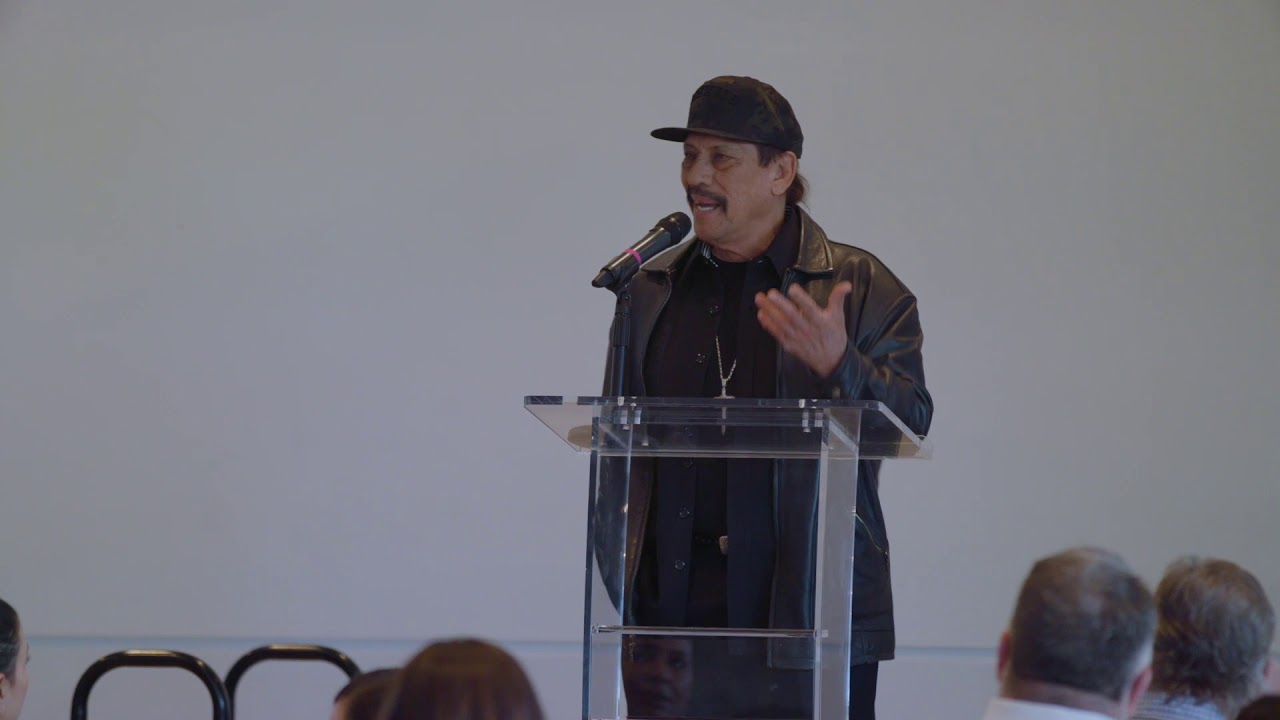
Choosing Where and When To Share
Not each and every area will sense excellent for establishing up; in this case choosing the best atmosphere is indispensable.
- Look for supportive agencies centered on medication in preference to judgment. Consider sharing in the time of selected occasions exact for storytelling inside meetings.
Practicing Vulnerability
Vulnerability doesn’t suggest exposing each detail; instead it entails being straightforward approximately your experiences without worry or disgrace.
Tips for Practicing Vulnerability
Start small – Share much less severe materials of your story first whenever you're doubtful. Be legit – Speak from the heart; authenticity resonates greater than perfection. Prepare for feedback – Not all responses would be successful; brace your self emotionally.Addressing Fears About Sharing Your Story
Fear of Judgment: Tackling Societal Perceptions
It's utterly universal to fear judgment when for the reason that sharing your tale; but:
- Remember that maximum laborers in restoration have confronted related fears. Focus on locating popularity by shared reviews rather then in quest of approval from anyone else.
Fear of Rejection: Finding Acceptance inside Communities
Many complication they shouldn't be widely used after revealing their previous struggles:
- Surround yourself with supportive communities in which empathy prevails over complaint—this would be native conferences or on line forums committed namely to recovery journeys.
Fear of Reliving Trauma: Handling Painful Memories
Sometimes revisiting prior situations can cause trauma responses:
- Consider conversing with pros earlier sharing impressive components; they can present coping recommendations all over vulnerable moments.
Encouraging Others: The Ripple Effect of Shared Stories
Your willingness to percentage may well inspire others within your neighborhood who consider trapped by using their situations:
Consider this: If one grownup's story encourages yet one more man or woman closer to recovery—assume how far-achieving that have an impact on might possibly be!
Navigating Negative Responses After Sharing Your Story
Understanding Mixed Reactions from Audiences
While many will relish your openness, some can even react negatively or dismissively:
- Remember that everyone is on their possess tour; their reactions frequently reflect more about them than about you!
Strategies for Managing Criticism Effectively
When faced with grievance after starting up:
Detach Emotionally: Understand or not it's ok no longer each person will resonate absolutely; center of attention rather on individuals who do! Seek Support: Talk it over with depended on buddies or fellow individuals who realize what you're going simply by.Creating An Inclusive Environment in 12 Step Programs
As participants in Twelve Step Programs attempt toward inclusivity:
Foster Empathy: Encourage institution contributors constantly approach discussions compassionately—anybody deserves respect regardless in which they're alongside their paths! Invite Diverse Narratives: Make space for voices reflecting special backgrounds/stories within addiction/recuperation contexts so no person feels alone!FAQ Section
Q1: What are a few everyday fears associated with sharing my story?
A1: Common fears embrace judgment from peers, rejection by liked ones put up-sharing & reliving hectic events linked to beyond stories.
Q2: How do I make a selection what materials of my tale may still I share?
A2: Reflect on key moments superior up unless coming into restoration—what formed who you might be immediately? Choose materials resonating strongly but easily with you!

Q3: Will sharing my experience ensure acceptance from others?
A3: While many may also respond undoubtedly due shared knowing & empathy—alas there's no warranty each amazing will settle for overtly expressed narratives devoid of prejudice!
Q4: How does storytelling benefit the two myself & my audience?
A4: Storytelling promotes medication & connection—it lets in listeners relate intently occasions they have faced too while featuring comfort realizing they may be not on my own!
Q5: Can I proportion my tale anonymously?
A5: Absolutely! Many uncover anonymity delivers them safe practices in the time of disclosures which permits increased honesty when discussing touchy subjects around addictions/recoveries!
Q6: What if I’m not happy sharing aloud? Are there different preferences to be had?
A6: Definitely! Writing down stories/thoughts serves as an opportunity manner—to percentage memories privately through letters/journals/submissions and many others., nevertheless fostering verbal exchange with no public overall performance stress!
Conclusion
Overcoming stigma isn't any easy feat; in spite of the fact that—through embracing vulnerability & courageously sharing our studies—we dismantle barriers outfitted around perceptions surrounding addiction even as nurturing communal bonds formed by using empathy & knowledge alongside our journeys closer to curative jointly!
By participating actively inside Twelve-Step Programs like Alcoholics Anonymous or Narcotics Anonymous—even amidst challenges posed via societal stigmas—we reaffirm commitment in the direction of accomplishing lasting sobriety alongside newfound acquaintances willing walk beside us every step in addition into brighter futures ahead! Remember—the reviews we tell shape not just ourselves yet additionally impression lives touching hearts yearning comfort searching solace realizing they’re under no circumstances on my own struggling with struggles in advance both manner!